
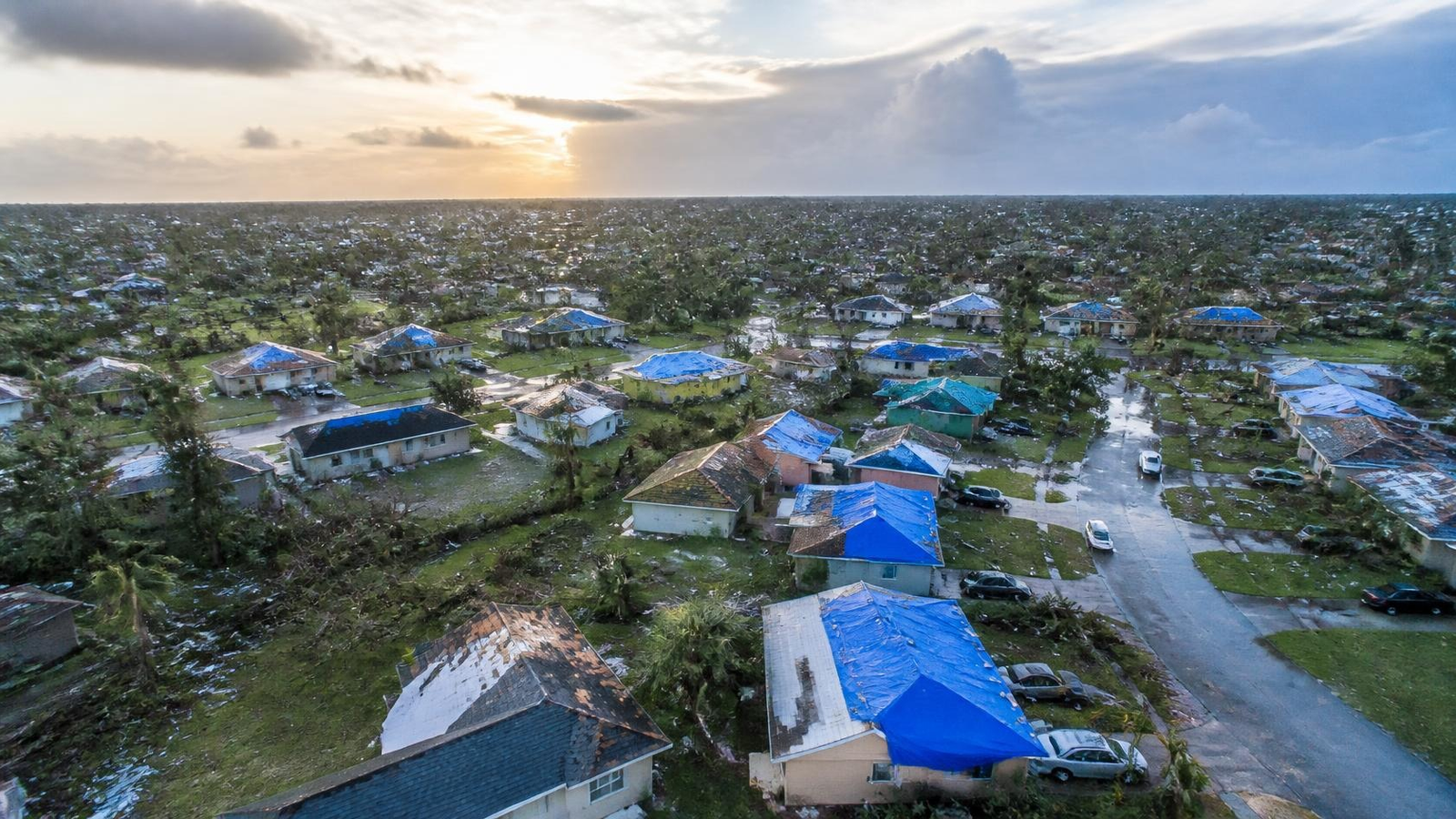
For most of the year, a claims operation runs at a pace it was designed for. Then a hurricane makes landfall, a wildfire jumps a ridge, or a hailstorm crosses a metro area, and within days the operation is asked to handle many times its normal intake from the same geography, often while some of its own people are affected.
The carriers and TPAs that handle catastrophes well don’t improvise. They have a surge mode: a defined way of operating that switches on when an event happens, changes how intake, triage, capacity, communication, and controls work, and switches off when volumes return to normal. This post outlines what that mode should include and where AI makes it more effective.
Before the event: readiness that pays off in the first 72 hours
The first few days after a catastrophe set the tone for the whole event. Most of what makes them go well is prepared in advance.
- Event playbooks by peril. Hurricanes, wildfires, floods, hail, winter storms, and earthquakes each produce different loss patterns, documentation needs, and safety concerns. Write a playbook for each peril you’re exposed to.
- Exposure mapping. Know where your policies are. When a forecast track or wildfire perimeter is published, you should be able to estimate quickly how many policies sit in the affected area, which lines and coverages they carry, and which customers may be vulnerable.
- Activation criteria. Agree in advance what triggers surge mode (for example, a named storm forecast to make landfall in a region where you have significant exposure) and who has the authority to activate it.
- Pre-agreed capacity. Arrangements with independent adjusting firms, cross-trained internal staff from other lines, and temporary authority rules that can be switched on.
- Tested systems. Intake channels, telephony, and claims systems should be load-tested for surge volumes before they’re needed.
Activation: switching modes deliberately
When an event triggers surge mode, several things should change at once:
- An event code is created, and every related claim is tagged with it from the first notice onwards.
- Intake channels switch to CAT-specific scripts and forms for that peril.
- Routing rules change to send event claims to the surge team and apply surge triage.
- Temporary authority levels take effect for designated handlers, with their own controls.
- Proactive communication to policyholders in the affected area begins.
Treat activation as a single, controlled switch rather than a series of ad hoc decisions made under pressure.
Surge intake: make reporting easy and complete
Policyholders affected by a catastrophe may have lost power, connectivity, or access to their property. Intake has to work under those conditions:
- Offer every channel, including phone, web, app, text, and broker submission, and expect heavy use of mobile.
- Use short, peril-specific FNOL that captures the essentials (safety, habitability, location, rough damage description) and gathers photos and details later.
- Pre-fill from the policy and from event data. If a policy sits inside the event footprint, the likely cause of loss is already known.
- Use AI to structure free-text and voice reports into claim data and to classify uploaded photos by damage type.
Every hour saved at intake compounds across thousands of claims.
Triage: right claim, right resource, right order
In a surge, triage determines who gets help first and which resources go where. A good surge triage model considers:
- Safety and habitability. Policyholders who can’t stay in their home, or who face health risks, come first. Emergency payments for additional living expenses can often be made quickly under defined rules.
- Vulnerability. Elderly, disabled, or otherwise vulnerable customers get priority contact.
- Severity and complexity. Total losses, large commercial claims, and complex coverage questions go to experienced adjusters.
- Inspection approach. Many claims can be handled through photos, video, aerial imagery, or virtual inspection instead of waiting for a field visit. Reserve scarce field capacity for claims that genuinely need it.
- Fast-track eligibility. Simple, low-value claims with clear coverage can move to desk handling and quick payment under rules.
AI helps by scoring severity from descriptions and photos, flagging vulnerability indicators in conversations, and recommending an inspection approach, always with the reasons visible and a handler able to override.
Capacity: flex without losing control
Surges are won or lost on capacity. Bringing in independent adjusters and redeploying internal staff is standard practice, but it creates risks: inconsistent decisions, unfamiliar systems, and authority levels that don’t match experience.
Practical safeguards include:
- Guided workflows that walk temporary adjusters through the playbook for that peril.
- AI-assisted file summaries so anyone picking up a claim can understand it in minutes.
- Temporary authority with oversight. Extend authority where it speeds payment, but sample and review decisions more closely during the event.
- Workload balancing that routes claims based on skills, authority, location, and current load.
Communication: say it before they ask
During a catastrophe, uncertainty drives call volumes. Proactive communication reduces both anxiety and inbound contact:
- Reach out to policyholders in the affected area before they report, explaining how to file, what to do to stay safe and mitigate damage, and what to expect.
- After FNOL, give each claimant a clear next step and timeframe, then send updates at each milestone.
- Keep brokers informed about their clients’ claims, since many policyholders will call their broker first.
Controls and fraud during the surge
Catastrophes attract opportunistic fraud, including inflated contractor invoices, duplicate claims, and claims from outside the event footprint. Run fraud checks in the background without slowing legitimate claims: compare loss locations with the event footprint, look for duplicate invoices and repeated contractor patterns, and route suspicious cases quietly to specialists.
Event coding and reinsurance
Every claim tagged to the event feeds the event’s loss aggregation. Accurate event coding, consistent reserving, and timely updates matter for reinsurance recoveries, for management and board reporting, and for finance. Make event reporting automatic from the event code rather than a spreadsheet exercise at the end.
Stand-down and learning
Surge mode should also switch off deliberately: return routing and authority to normal, transition remaining open claims to standard teams with full context, and hold a structured review. What slowed intake? Where did triage misroute claims? Which capacity arrangements worked? Feed the answers into the playbook for next season.
Illustrative example: a regional property carrier that maps exposure as soon as a storm track is published might send preparation guidance to policyholders in the forecast area before landfall, then open CAT-specific FNOL the morning after. Claims arrive tagged to the event, pre-triaged, and with photos attached, so field adjusters are dispatched first to the homes that most need them.
What to measure in a surge
- Time from event to surge activation
- Time from FNOL to first contact, by triage tier
- Time to first payment for emergency and fast-track claims
- Share of claims handled without a field inspection
- Inbound status calls per claim
- Decision quality on sampled files from temporary adjusters
Prepared, not heroic
Catastrophe response often relies on heroic effort. Heroics don’t scale. A designed surge mode, with clear triggers, adapted intake, smart triage, flexible capacity, and controls that hold under pressure, lets claims teams serve policyholders well when it matters most.
Get your claims operation surge-ready. Download the Aketud Claims Automation Workbook to map your CAT intake, triage, and capacity plan, and identify where automation can keep claims moving when volumes spike.